Central Asia’s Silk Visa is stalled by economic disparity and security concerns. The region pivots to a "Two-Speed" model, prioritizing tech-driven trade and logistics over tourism mobility.
Central Asia’s Trade-First Doctrine: Why the Silk Visa Deadlock Is Strategic
By Source Force Economic Analysis DeskDate: December 13, 2025
While 2025 has been widely anticipated as a landmark year for Central Asian diplomatic unity, marked by critical agreements on water, energy, and joint investment, the reality of regional integration is proving uneven. The chasm between ambitious political rhetoric and ground-level economic and security policy has birthed a distinctive "Two-Speed" integration model, prioritizing commercial logistics over public mobility.
At border crossings, such as the crucial Korday nexus between Kazakhstan and Kyrgyzstan, persistent delays and fragmented customs processes underscore this divergence. The most visible casualty of this trend is the proposed Silk Visa, a long-stalled Schengen-style visa project which, seven years after its inception, remains non-operational, symbolizing the region's current trajectory: one that builds seamless bridges for goods and capital, but not yet for people.
Silk Visa: A Vision Derailed by Distrust and Data Sovereignty
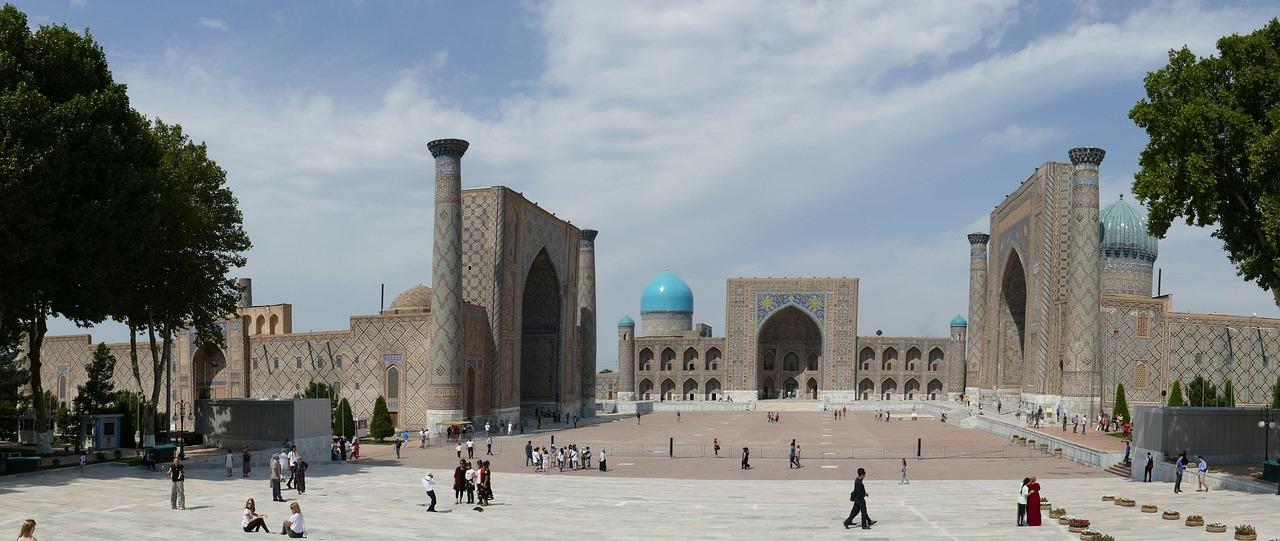
The Silk Visa, launched in 2018 by Uzbekistan and Kazakhstan, was envisioned as a transformative policy for regional tourism, promising seamless travel from Almaty to Samarkand for foreign visitors. Yet, as the year 2025 concludes, the project’s infrastructure has failed to materialize.
Official explanations typically cite technical complexities, specifically the challenge of integrating independent national databases on "undesirable persons." However, analysis suggests the deeper resistance stems from national security agencies’ unwillingness to relinquish control over sensitive data and border security mandates.
Uzbekistan’s Deputy Prime Minister recently confirmed that the primary bottleneck is the harmonization of sovereign security protocols. Each nation maintains its own blacklists and visa policies, reflecting a fundamental lack of mutual trust that actively undermines collective security and collective action. The Silk Visa therefore functions as an aspiration rather than an actionable policy, serving as a barometer for the operational gulf between diplomatic pledges and internal national security realities.
Economic Asymmetry: The Silent Barrier to Labor Mobility
The single greatest, yet often unacknowledged, impediment to open borders is the significant economic asymmetry between the participating nations.
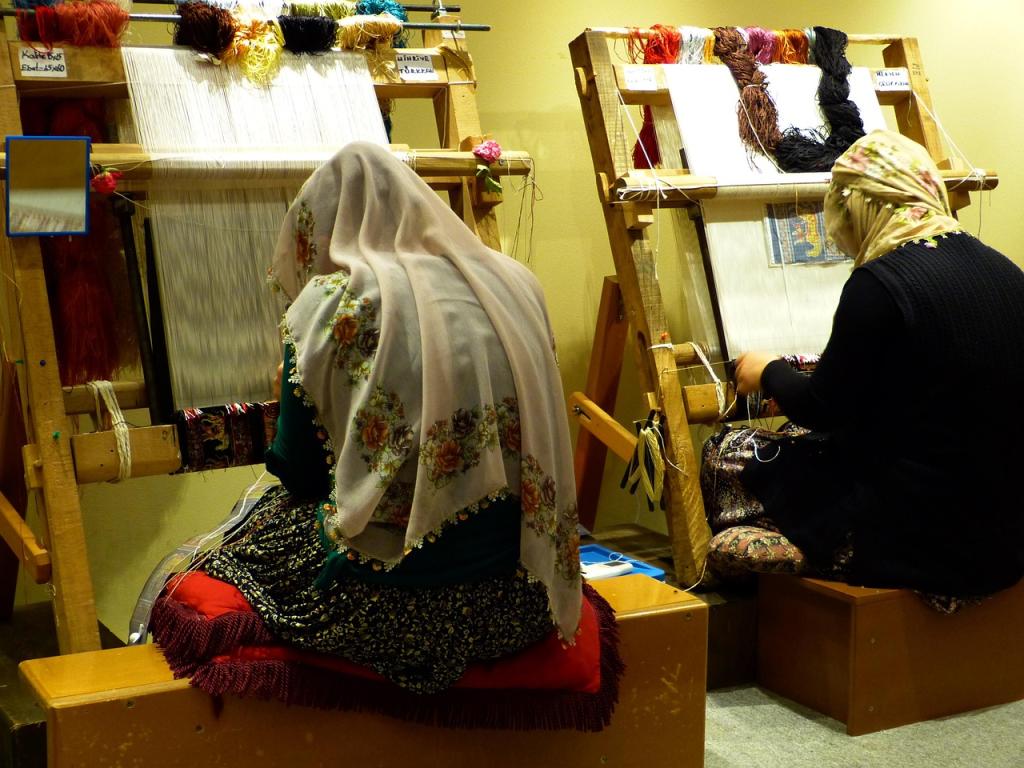
The profound disparity in wealth generates acute policy sensitivity in Astana. Kazakhstan’s GDP per capita currently exceeds $14,000, a figure that dwarfs the respective estimates of $2,500-$3,000 for Uzbekistan and Kyrgyzstan. This gap fuels pragmatic fears within Kazakhstan that liberalized borders would trigger a substantial increase in low-skilled labor migration, placing undue strain on its developed urban infrastructure and regulated labor markets.
Migration pressures are already pronounced. Data from Uzbekistan’s Migration Agency indicates that over 322,700 Uzbek workers were employed in Kazakhstan in early 2025. Kazakhstan’s current strategy is thus one of pragmatic self-interest: actively prioritizing the export of goods and capital through streamlined trade routes while tightly regulating cross-border labor flows to maintain socioeconomic equilibrium.
Trade Integration Triumphs: The Digital Corridor
In sharp contrast to the stagnation of tourism mobility, trade-focused integration is advancing rapidly, driven by corporate and geopolitical imperatives. The ongoing digitalization of customs platforms reflects a clear strategic pivot toward a "trade over tourism" approach.
Logistics Modernization: Key chokepoints like the Korday crossing, which handles significant Kazakhstan- Kyrgyzstan cargo, are increasingly utilizing digital queueing systems and centralized coordination to mitigate the multi-day traffic jams that businesses often report.
AI and Tech Investment: Kazakhstan’s government is heavily investing in digital infrastructure to accelerate customs clearance, utilizing blockchain and AI-driven logistics solutions to target a 30% reduction in average clearance times. This push is underpinned by the recent establishment of its Ministry of Artificial Intelligence and Digital Development, aiming for full digital governance within three years and reflecting a national mandate for tech leadership.
Regional Trade Ambition: The Central Asian Regional Economic Cooperation (CAREC) program is not only advancing digital customs systems but also backing a regional initiative to nearly double intra-regional trade volume to $20 billion by harmonizing procedures and launching a collective "Made in Central Asia" brand.
These advancements primarily serve commercial and industrial interests, channeling resources into the supply-chain and logistics sectors, thereby confirming the region's strategic focus.
Geopolitical Pressures and Risk-Averse Policies
Security concerns further compel governments to maintain strict border controls. The proximity to Afghanistan remains a persistent geopolitical risk, raising alarms regarding potential drug trafficking, illicit financing, and extremist infiltration. This existential threat mandates strict border regimes for Uzbekistan and Tajikistan.
Furthermore, persistent Kyrgyz–Tajik border tensions, despite recent delimitation efforts, underscore the fragility of regional trust. The broader global instability, exacerbated by the war in Ukraine, has stressed traditional labor markets in Russia, prompting regional governments to prioritize stability and diversification over open-border ideals. In this high-risk climate, security considerations will invariably supersede economic liberalization benefits for the tourism sector.
Investment Outlook: Prioritizing Digital Infrastructure
Central Asia’s adoption of the "Two-Speed" model offers a clear signal to investors: economic development driven by elite and corporate interests such as joint energy grids and the Digital Customs Corridor will continue to progress faster than political unity or consumer-facing cross-border services.
For investment strategies, this means:
High Opportunity: Sectors focused on Tech, Logistics, Supply Chain Management, and Digital Services stand to benefit immensely from ongoing trade digitization and infrastructure investment.
Constrained Growth: Tourism, hospitality, and cross-border retail services, while possessing long-term potential, will remain constrained by mobility hurdles until security agencies resolve their data-sharing standoff.
As one analyst summarized, Central Asia is currently "building bridges for goods, not people and that cold economic calculus will define the immediate investment landscape."
Disclaimer (Reality Check & Linked References)
This analysis is based on verified reports and economic data, including figures from the World Bank, CAREC, and regional government sources as of December 2025.
Original Source Reference:
This article is based on the reporting in The Times of Central Asia, specifically the article titled, “The Silk Visa Deadlock: The Long Road to a Borderless Central Asia,” originally published on December 11, 2025.
Market Rumors:
Despite the official deadlock, persistent market rumors suggest that behind-the-scenes negotiations, potentially mediated by international development banks, are targeting a soft launch of a pilot Silk Visa program by mid-2026, focusing initially on citizens from select third countries. These rumors remain unconfirmed by participating governments.
Related Business & Economy News (Dec 2025 Context):
Country
Economic/Tech Development (Dec 2025)
Reference Context
Uzbekistan
Robust Economic Expansion:The Central Bank maintained its key interest rate at 14% to combat inflation, while projecting robust 2025 GDP growth of 7.0–7.5%, driven by high investment and strong domestic demand.
Reinforces Tashkent’s focus on macro stability alongside liberalization efforts.
Kazakhstan
AI Leadership and Green Tech:Official establishment of the Ministry of Artificial Intelligence and Digital Development, targeting AI integration across all sectors. Separately, the country launched its first domestic green hydrogen production station, signaling diversification into renewable energy.
Highlights Astana's focus on high-tech exports and digital governance, supporting its shift away from relying on low-skilled labor.
Central Asia
Intra-Regional Trade Goal:Trade and investment ministers from Central Asia and Azerbaijan agreed to develop an action plan to raise mutual trade turnover to $20 billion and launch the "Made in Central Asia" regional brand.
Directly supports the thesis that regional cooperation is strongly biased toward commercial and trade harmonization.
As global markets evolve, venture capital is redefining how innovation is discovered and accelerated. This article examines emerging trends, investment dynamics, and the growing influence of VC in building future industries across both developed and emerging markets
Cybercrime is a multi-trillion dollar threat. Stay informed with Insights by Source Force as we explore the evolving landscape of cyber attacks, the industries most at risk, and what the future of digital security looks like.