The Intelligence Economy: How Organizations Measure the True Value of Software Investments
Operational Intelligence and ROI: The Modern Framework for Software Investment Analysis


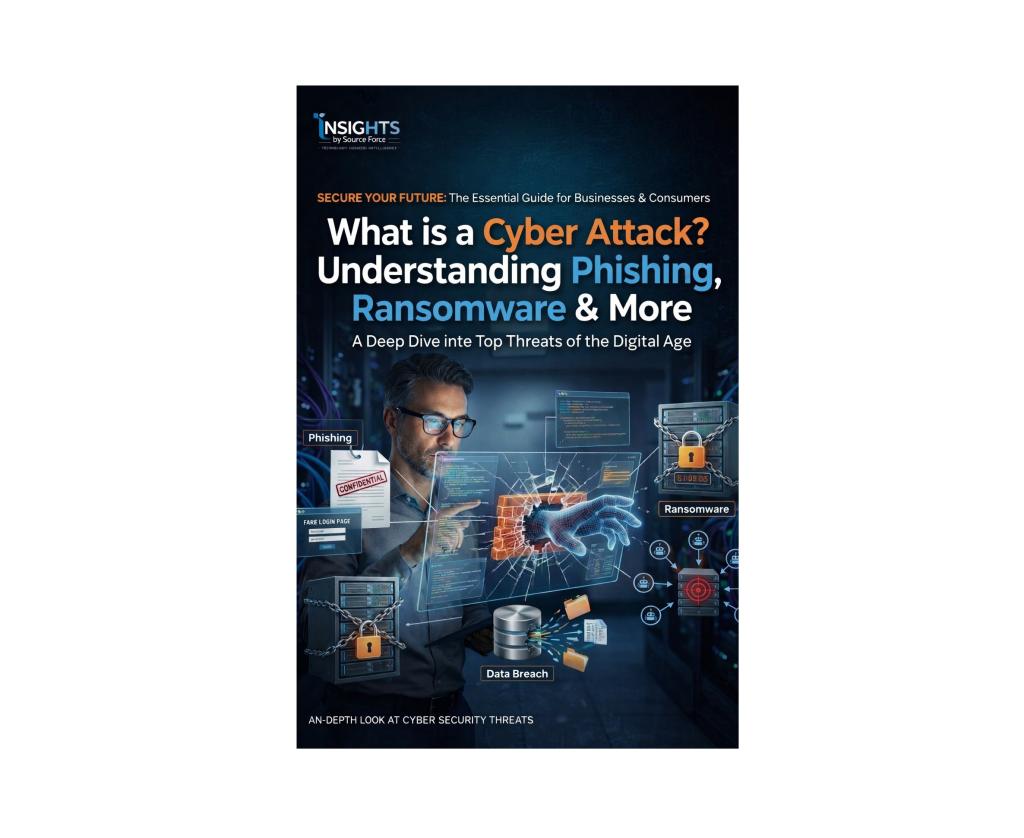
Cybercrime is a multi-trillion dollar threat. Stay informed with Insights by Source Force as we explore the evolving landscape of cyber attacks, the industries most at risk, and what the future of digital security looks like.
What is a Cyber Attack? Understanding Phishing, Ransomware & More | Insights by Source Force
Remember when the biggest worry about the internet was a slow dial-up connection? Those days feel like a distant memory. Today, our world runs on digital pulses from our morning coffee shop payment to the power grid that lights our cities. But this incredible connectivity has a dark side. It’s opened a door for a new kind of adversary: the cyber attacker.
At Insights by Source Force, we spend our days deep in the digital trenches, and we see firsthand how the threat landscape is changing. It’s not just about faceless hackers in hoodies anymore. Cybercrime has evolved into a sophisticated, multi-trillion-dollar industry that touches every single one of us.
Whether you're a small business owner, a corporate executive, or just someone who checks email and pays bills online, understanding these threats is the first and most crucial step in defending against them. Let's cut through the jargon and break down the most common digital dangers in plain English.
So, What Are We Really Talking About?
Think of a cyber attack as any deliberate, malicious act aimed at a computer, a network, or a person holding a digital device. The goal can be anything from petty theft to international espionage. Attackers might want to:
The Rogues' Gallery: Common Cyber Attacks Explained
Let’s meet the most common types of attacks you need to know about.
1. The Deceptive Email: Phishing
This is the digital equivalent of a con artist. You get an email or a text that looks like it’s from your bank, a delivery company, or even a colleague. It creates a sense of urgency: "Your account has been locked!" or "Urgent payment request." You click the link, enter your login details on a fake but convincing website, and just like that, you’ve handed over the keys to your digital life.
Phishing works because it targets the most vulnerable part of any computer system: the human brain. It preys on trust, fear, and distraction.
2. The Digital Parasite: Malware
Malware is short for "malicious software." It's an umbrella term for any program designed to cause harm. Think of it like an infection for your device.
3. The Digital Kidnapping: Ransomware
Imagine walking into your office, turning on your computer, and finding a single message on the screen: "All your files have been encrypted. Pay $50,000 in Bitcoin within 24 hours or they're gone forever."
That’s ransomware. It doesn't just steal your data; it holds it hostage. We've seen this shut down hospitals mid-surgery, halt production at major manufacturing plants, and paralyze entire city governments. It’s a terrifyingly effective crime because for many organizations, paying the ransom feels like the only way to survive.
4. The Traffic Jam Attack: DDoS
A Distributed Denial-of-Service (DDoS) attack is like directing the entire city's rush-hour traffic down a small country lane. The road (your website or server) is completely overwhelmed and grinds to a halt.
Attackers use armies of infected computers (called "botnets") to flood a target with so much fake traffic that real users can't get through. It’s often used to disrupt competitors, extort companies, or make a political statement.
5. The Eavesdropper on the Line: Man-in-the-Middle
This is most common when you're using unsecured public Wi-Fi, like at a coffee shop. An attacker positions themselves between you and the network. As you check your bank account, the data passes right through their hands. They can steal your login info, read your emails, or even alter the information you're sending or receiving without you ever knowing.
Who's in the Crosshairs?
The simple answer? Everyone. But some targets are just too tempting for attackers to ignore.
It’s Not Just a Tech Problem, It’s an Everyone Problem
The cost of cybercrime is staggering estimated in the trillions of dollars annually. But the impact goes far beyond money. It’s lost productivity, stolen intellectual property that kills innovation, and the erosion of customer trust that can take years to rebuild.
For a small business, one successful attack can be the end of the road.
Fighting Back: The New Rules of the Road
The good news is that the good guys are getting smarter, too. The future of defense isn't just about firewalls and antivirus software. It’s about building a smarter, more resilient digital world.
We’re seeing a shift towards:
The Bottom Line
Living in a digital world doesn't mean living in fear. It means being aware, being prepared, and being proactive. At Insights by Source Force, we believe that cybersecurity isn't just a department in a company it's a shared responsibility.
By understanding the threats, we can all become harder targets. And in the world of cybercrime, making yourself a harder target is often enough to make an attacker move on to someone else.
Conclusion: Knowledge is the New Armor
The digital age has handed us incredible power the ability to connect, create, and conduct business on a global scale. But as we’ve explored, that power comes with a persistent shadow. The threats lurking in the digital landscape are not abstract concepts confined to server rooms; they are real-world risks that can disrupt our lives, empty our bank accounts, and destabilize the organizations we depend on.
However, understanding these threats transforms them from paralyzing fears into manageable risks. As we move forward, the line between our physical and digital lives will only continue to blur. The organizations and individuals who will thrive in this environment are not necessarily those with the biggest budgets, but those with the sharpest awareness.
Cybersecurity is no longer a niche technical specialty. It is a fundamental life skill for the 21st century. By staying informed, questioning the unexpected, and building a culture of security in our workplaces and homes, we become active participants in our own safety. The future of the digital economy depends not just on the code we write, but on the vigilance we practice every day.
Disclaimer
The insights and information presented in this article are provided for general informational and educational purposes only. Insights by Source Force makes no representations or warranties of any kind, express or implied, about the completeness, accuracy, reliability, or suitability of the information contained herein. Any reliance you place on such information is strictly at your own risk.
Market projections, statistical data, and industry examples cited are based on sources believed to be reliable at the time of writing, but actual results and developments may differ materially. This content does not constitute professional financial, legal, or technical advice. Readers should consult with qualified professionals regarding their specific circumstances before making any business, financial, or security decisions.
All company names, product brands, and trademarks mentioned in this report are the property of their respective owners. Reference to any specific commercial product, process, or service does not constitute or imply endorsement, recommendation, or favor by Insights by Source Force.

Operational Intelligence and ROI: The Modern Framework for Software Investment Analysis
From public listings to strategic buyouts, this piece examines how investors align capital with exit opportunities balancing risk, timing, and return potential to maximize outcomes.
As global markets evolve, venture capital is redefining how innovation is discovered and accelerated. This article examines emerging trends, investment dynamics, and the growing influence of VC in building future industries across both developed and emerging markets